

We focus on the three system failures that quietly drain revenue, slow teams down, and make scaling harder than it should be.
Manual processes delay decisions and quietly burn money.
Revenue impact: Lower costs, faster execution
Disconnected sales systems create chaos instead of profit.
Revenue impact: Growth without breakdowns
Fragmented tools hide margin leaks.
Revenue impact: Predictable margins
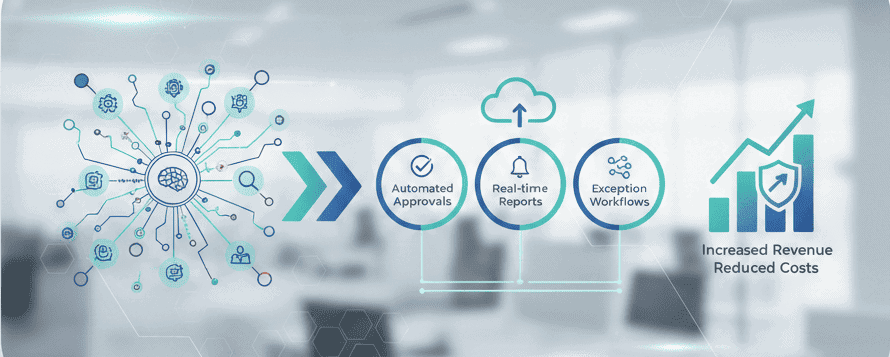
Every manual handoff slows execution, introduces errors, and delays decisions. As volume grows, this cost compounds.
Revenue impact: Lower operating costs and faster execution
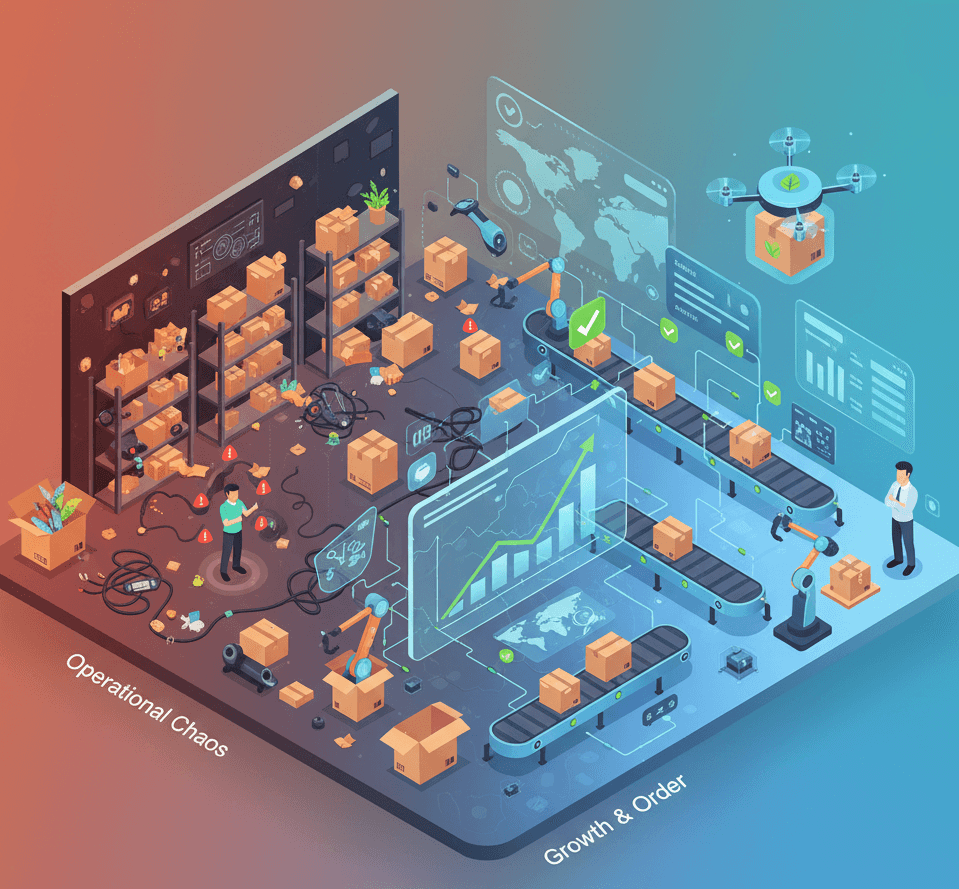
When orders, inventory, and fulfillment aren’t connected, more sales create more problems — not more profit.
Revenue impact: More orders without operational breakdowns
Disconnected systems hide inefficiencies and distort numbers. Leadership ends up reacting instead of planning.
We implement ERPNext to create one reliable source of truth across finance, inventory, HR, and procurement.
Revenue impact: Predictable margins and operational control
We work with teams dealing with real operational complexity—where disconnected systems actively slow growth.
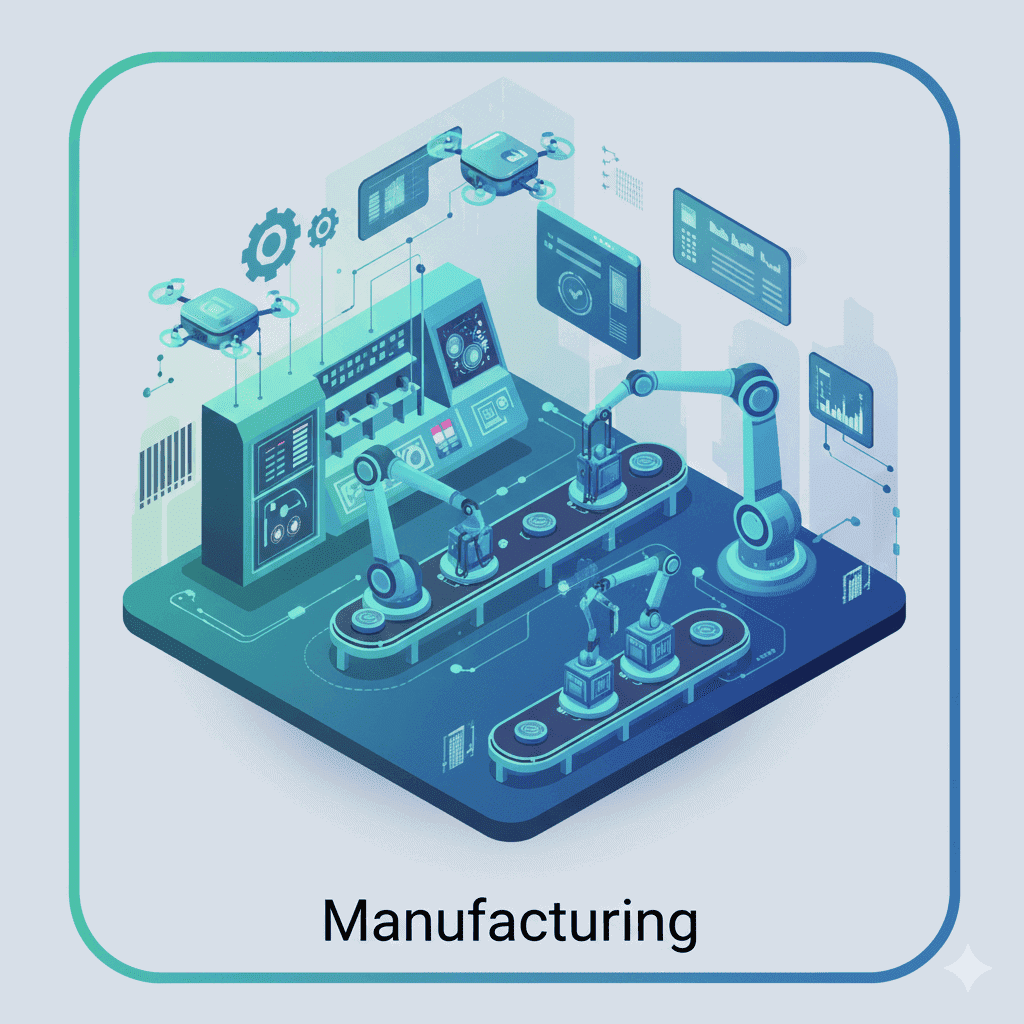
Regain control over inventory and predict costs with confidence across plants and warehouses.

Scale revenue without breaking operations, from fulfillment to complex inventory returns.
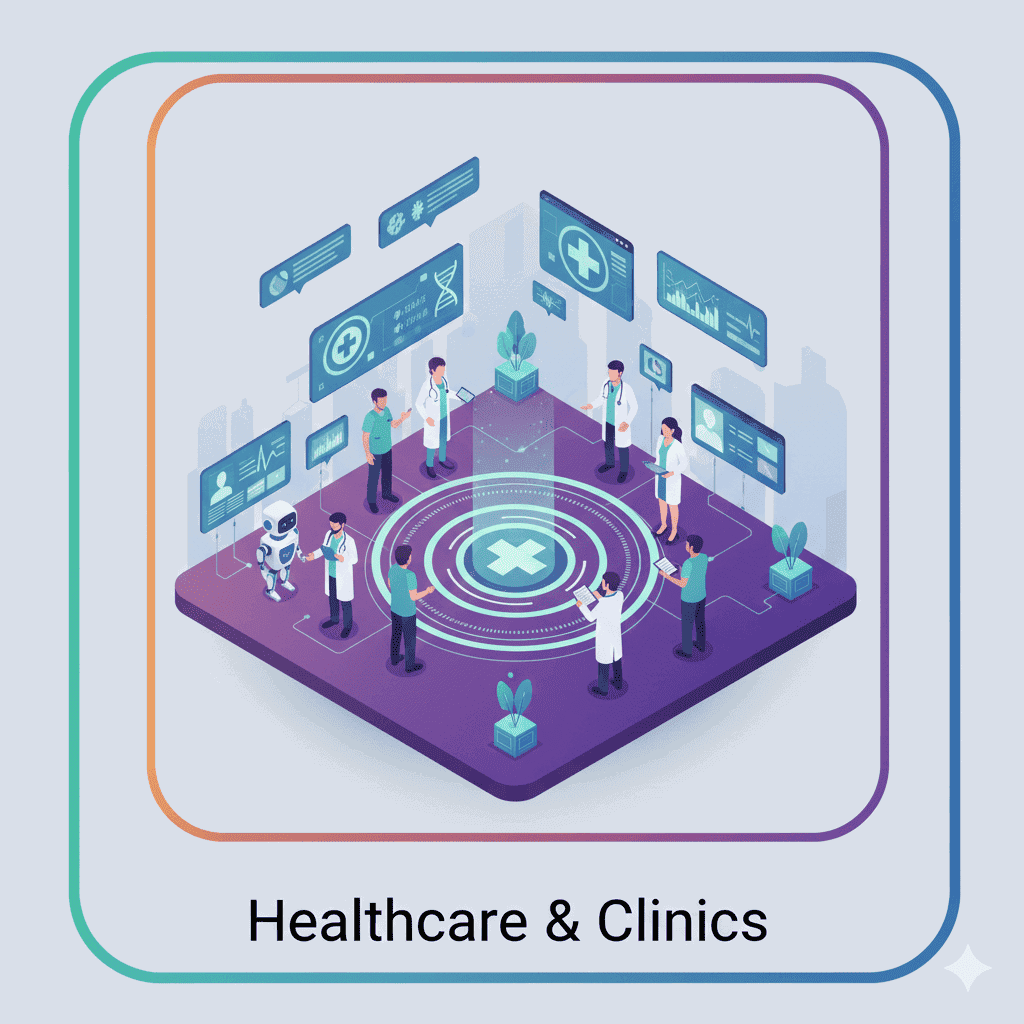
Reduce risk and improve visibility with systems built for compliance and operational discipline.
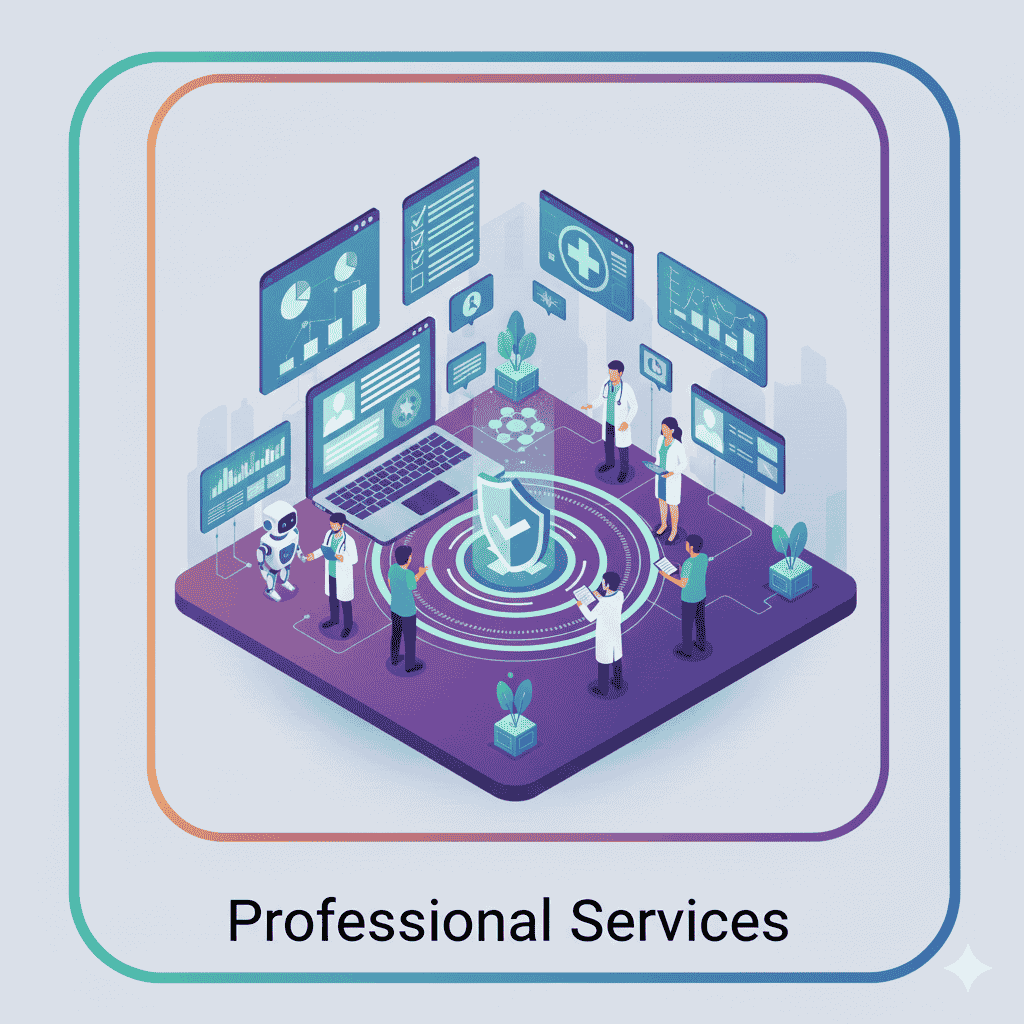
Gain clarity across teams and engagements with unified project tracking and billing.
These outcomes are based on real client engagements. Results vary depending on system maturity, data quality, and implementation scope.
Reduction in manual errors and rework, freeing teams to focus on higher-value work.
Improvement in process efficiency across operations and fulfillment.
Inventory and data accuracy, enabling confident planning.
Typical timeline to reach visible operational improvements.
* Results shown are typical ranges observed across multiple client implementations. Exact outcomes depend on business size, process maturity, data quality, and execution discipline.
These are not hypothetical examples. Each case reflects common operational challenges and the measurable improvements achieved after system alignment.
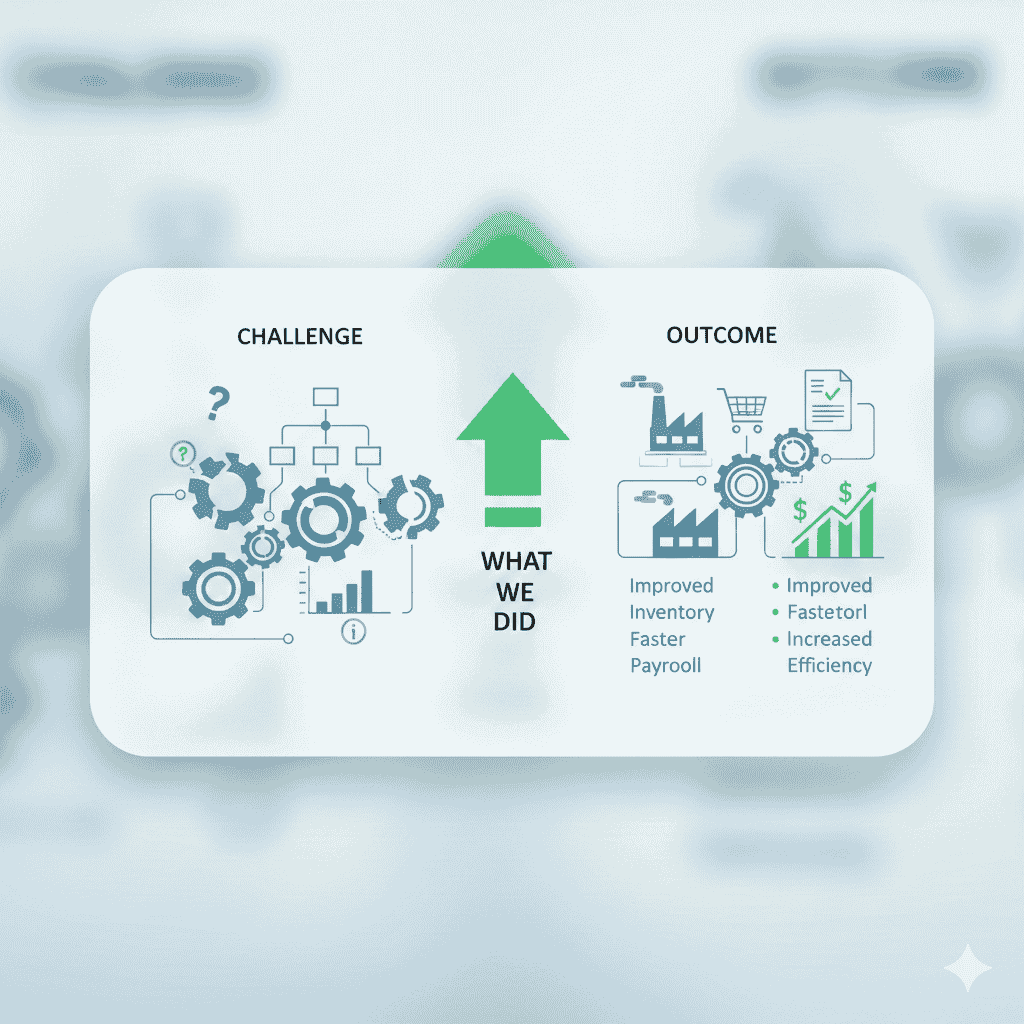
Challenge: Inventory mismatches, delayed payroll, and unreliable production data.
What we did: Implemented ERPNext with phased rollout covering inventory and HR.
Outcome: Inventory accuracy reached ~98% and payroll was processed same-day.
Challenge: Growing online sales but frequent stockouts and fulfillment delays.
What we did: Integrated Shopify with backend inventory and order workflows.
Outcome: Order processing time reduced by ~45% and sync stabilized.
Challenge: Manual reporting and fragmented project tracking.
What we did: Automated data collection and built role-specific dashboards.
Outcome: Saved 120+ man-hours per month with data-driven decisions.
This is not a “build-first” approach. Every step exists to reduce risk, control change, and deliver improvements you can trust.
We first understand how your systems actually work today — where data breaks, manual effort creeps in, and decisions slow down.
Your gain: Clear visibility into what’s broken and why
We design workflows, integrations, and controls aligned with how your teams operate and how leadership makes decisions.
Your gain: Predictable execution with fewer surprises
Changes are introduced in controlled phases, prioritizing high-impact areas while keeping daily operations stable.
Your gain: Early results without operational disruption
After go-live, we fine-tune workflows, support your team, and ensure the system becomes part of daily operations.
Your gain: Long-term stability and confidence
We don’t chase trends or experimental tools. Every technology we use is selected for stability, scalability, and long-term support.

Why it matters: Reliable platforms with strong ecosystems.

Why it matters: Systems that perform under real-world load.

Why it matters: Interfaces that are fast and easy to maintain.

Why it matters: Less manual work and faster execution.

Why it matters: Lower risk and better data protection.

Why it matters: Safe updates and long-term stability.
Real feedback on what happens when manual work and uncertainty are removed.
We’ve answered these questions honestly — using the data from our structured schema to ensure consistency.